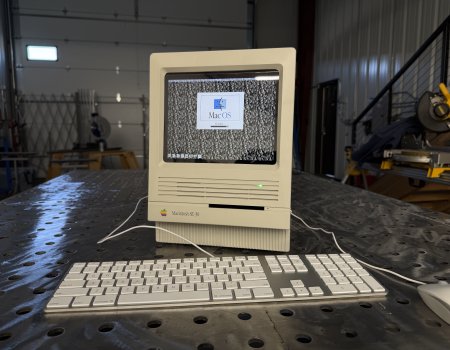
OldSilicon Computer Collection
Workstations
The 1980s and 90s saw the rise of the Unix workstation and the RISC architectures behind it — SPARC, MIPS, PA-RISC, Alpha, POWER — putting mainframe-class performance on an engineer's desk and taking scientific and technical computing in a whole new direction. The machines below are my tribute to that era.
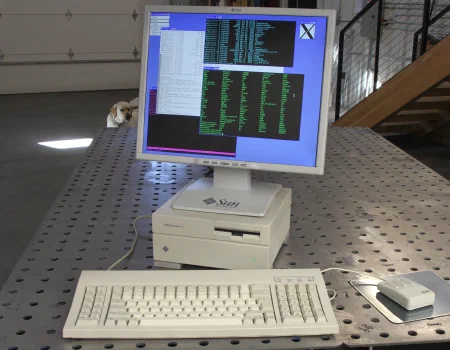
Sun SPARCstation IPC
The first lunchbox SPARCstation, woken up after sitting idle since January 1995
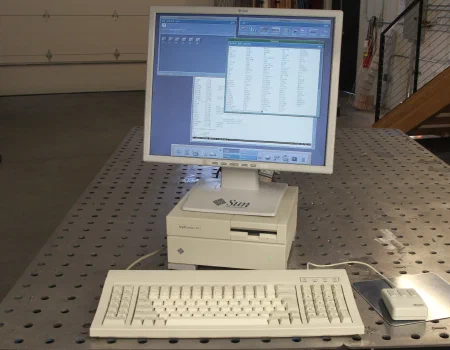
Sun SPARCstation IPX
The second-gen lunchbox with a Weitek W8701 — still the workstation in the collection that feels most like 1991 while staying usable
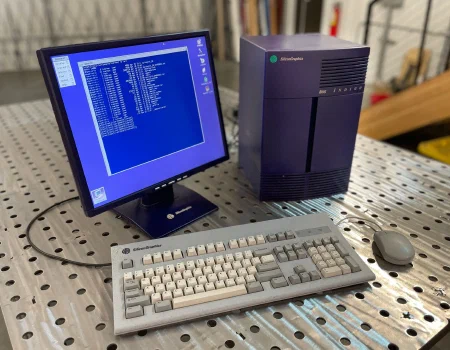
Silicon Graphics Indigo R4400
The teal R4400 cube with Elan Graphics, peerless in hardware-accelerated 3D in its day
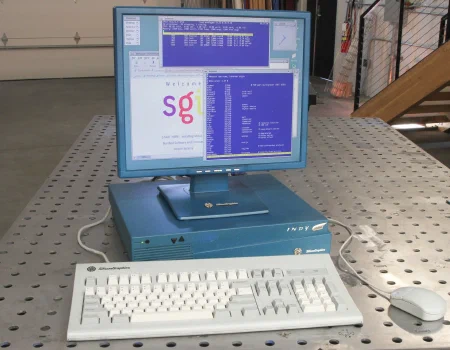
Silicon Graphics Indy
The R5000 multimedia workstation that shipped with the IndyCam — the first computer with a video camera in the box
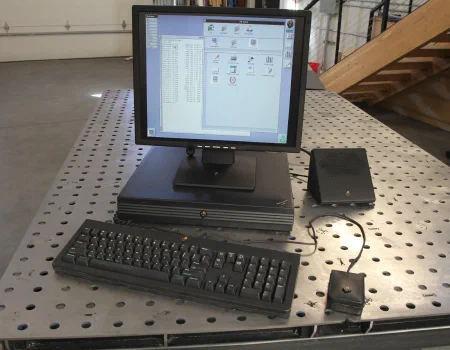
NeXTstation Color
The cube Tim Berners-Lee used at CERN to write the first web server and browser, brought back with the proprietary Sound Box and its custom Y-cable
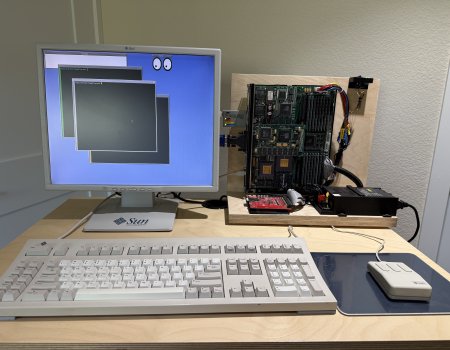
SuperWorkstation SW-40S (SPARCstation 2 Clone)
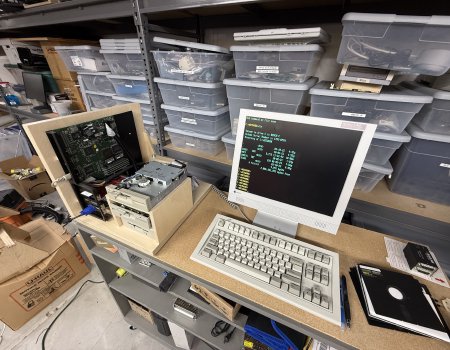
A third-party SPARCstation 2 clone board turned into a display piece and SBus test bench
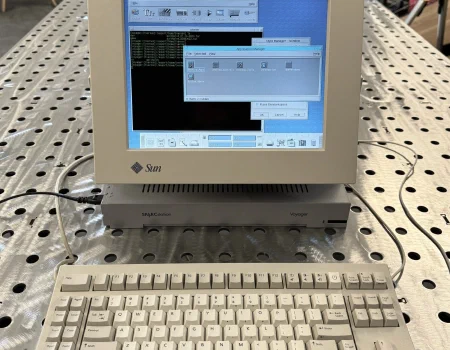
Sun SPARCstation Voyager
Sun's 1994 portable UNIX workstation, revived with a modern 12.1" panel after the original active-matrix LCD failed
Portables
Luggable computers from the dawn of mobile computing. These machines brought computing power on the road before laptops existed.
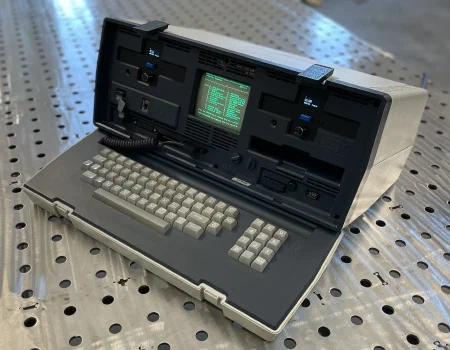
Osborne 1
The 1981 luggable that fit under an airline seat — and whose dangerously unkeyed +12V floppy connector cooked multiple drives during the restoration
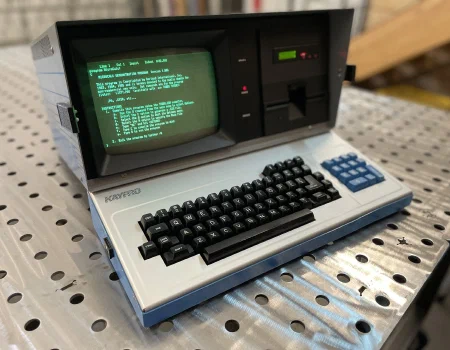
Kaypro II
The 1982 all-aluminum CP/M luggable — too tough to yellow, needing only a fabricated keyboard cable to boot
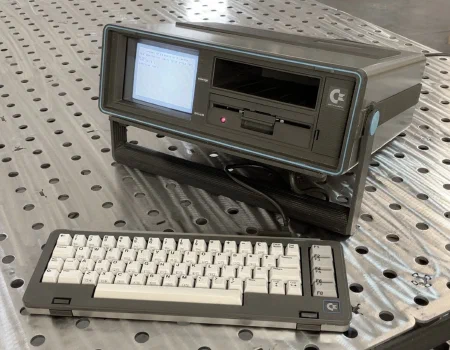
Commodore SX-64
The first full-color portable, with the original Sony Trinitron CRT swapped for a modern 5.6" LCD
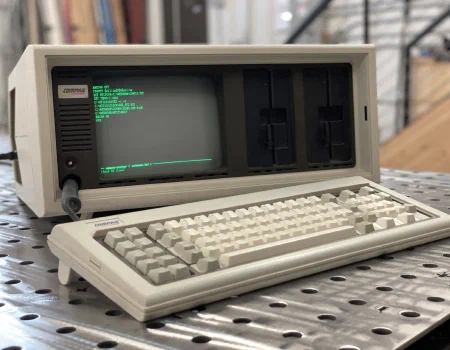
Compaq Portable I
The 1983 luggable that beat IBM with a clean-room BIOS — and needed every Key Tronic foam-and-foil keyboard pad replaced
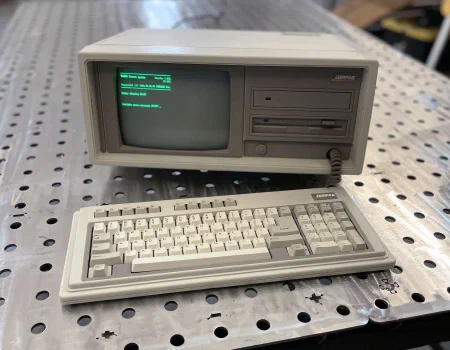
Compaq Portable II
Compaq's 1986 286 portable, lighter than the I and hiding a mysterious dual-plunger Enter key from an abandoned firmware design
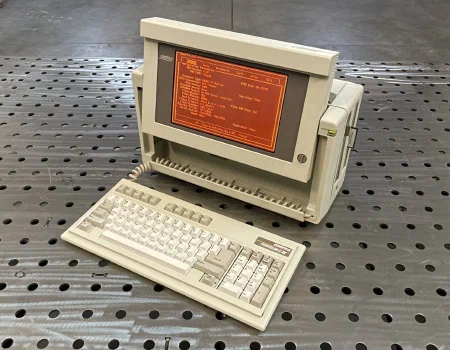
Compaq Portable III
Compaq's 1987 portable with a flat amber gas-plasma screen and the first genuinely good keyboard in the line
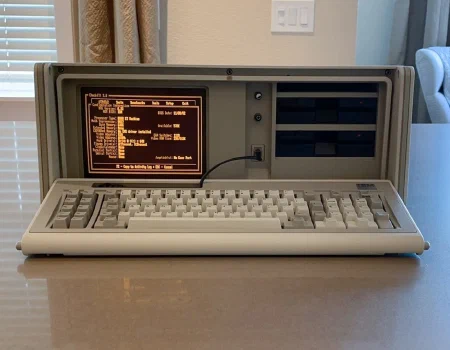
IBM 5155 Portable
IBM's rushed answer to the Compaq Portable, with its scroll-blanking CGA card swapped out for an ATI EGA Wonder running in CGA mode
Personal Computers
Home computers that brought computing to the masses.
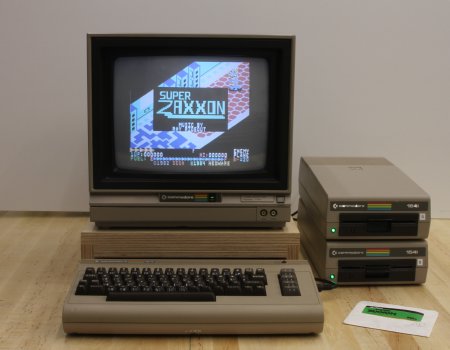
Commodore 64
A 1983 breadbin, a roll of solder braid, a dead-test cartridge, and the restoration that started everything
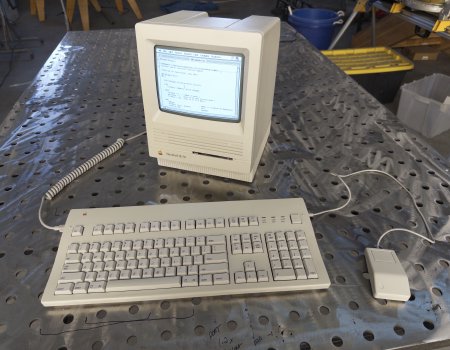
Macintosh SE/30
The Macintosh SE/30 odyssey: two machines, one jig, a dead logic board, a fresh set of caps, and a brand-new power supply
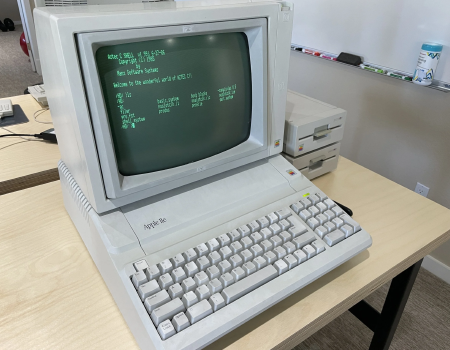
Apple IIe Platinum
The final revision of Apple's legendary 8-bit computer
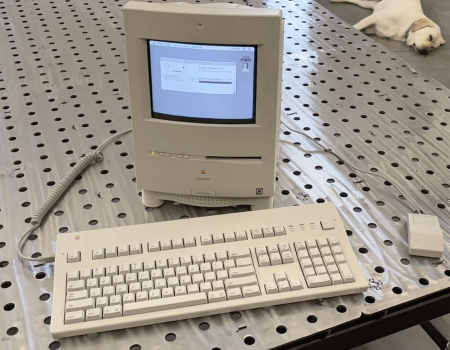
Macintosh Color Classic
Apple's first color compact Macintosh
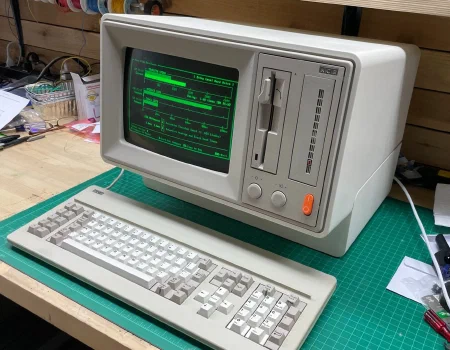
NCR PC4
An award-winning 1985 all-in-one PC compatible whose keyboard fault, after an exploded motherboard cap, traced back to a single bad shift register
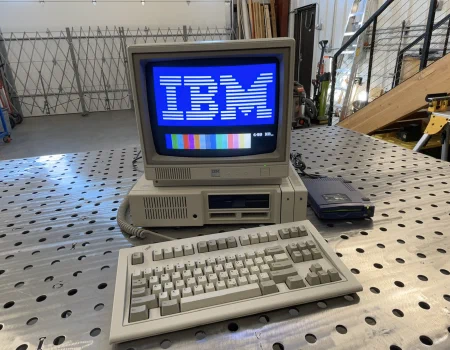
IBM PCjr
IBM's failed 1984 home machine, made actually usable by the jr-IDE sidecar that adds 1 MB SRAM, an RTC, and IDE storage
Sun Pizza Boxes
Classic Sun Microsystems workstations in the iconic "pizza box" form factor. These machines powered engineering and scientific computing throughout the 1990s.
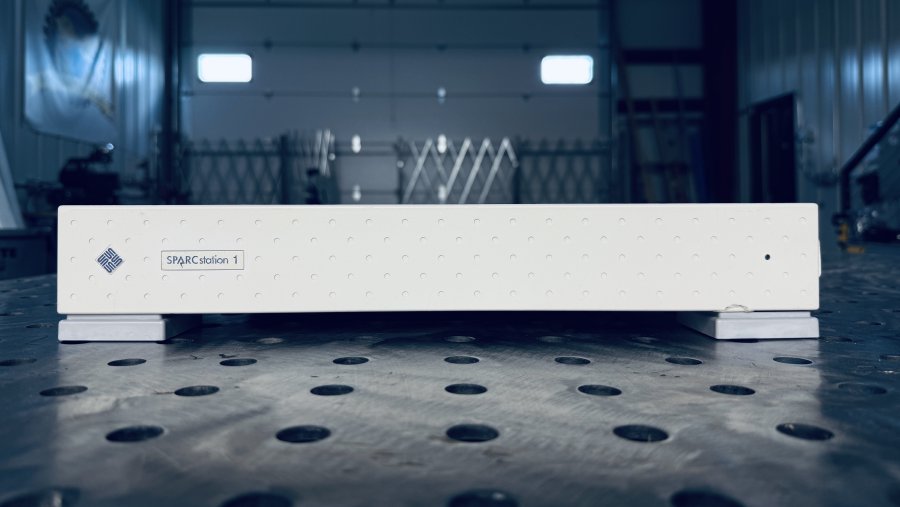
Sun SPARCstation 1
The 1989 "Campus" that started the pizza box era, restored to a genuine SS1 board after arriving with a Purdue clone upgrade installed
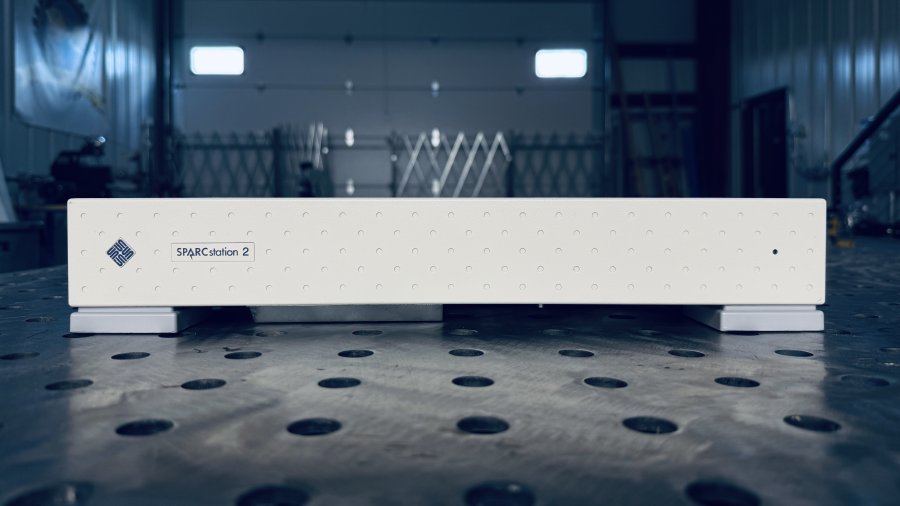
Sun SPARCstation 2
The early-90s Unix workhorse, here with an 80 MHz Weitek PowerUp and a rare fully-populated 64 MB DataRAM SBus card
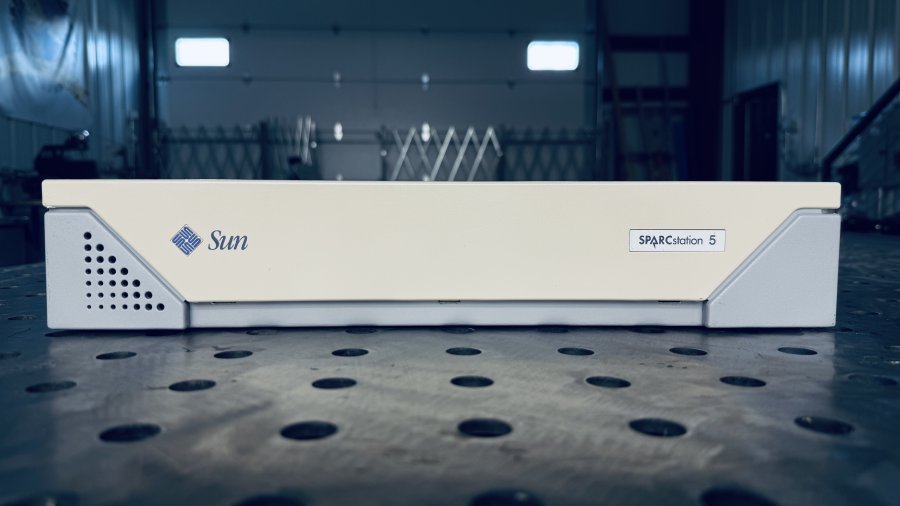
Sun SPARCstation 5
Sun's 1994 entry-level "Aurora," topped out with a 170 MHz TurboSPARC — SPARC for the masses
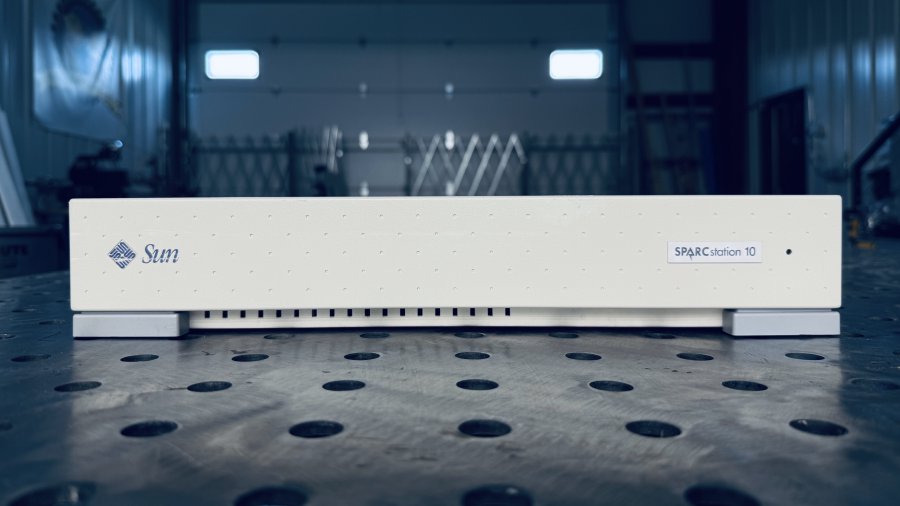
Sun SPARCstation 10
The first Sun desktop to fit two CPUs, with the modular MBus that made compute upgrades a slot-in affair
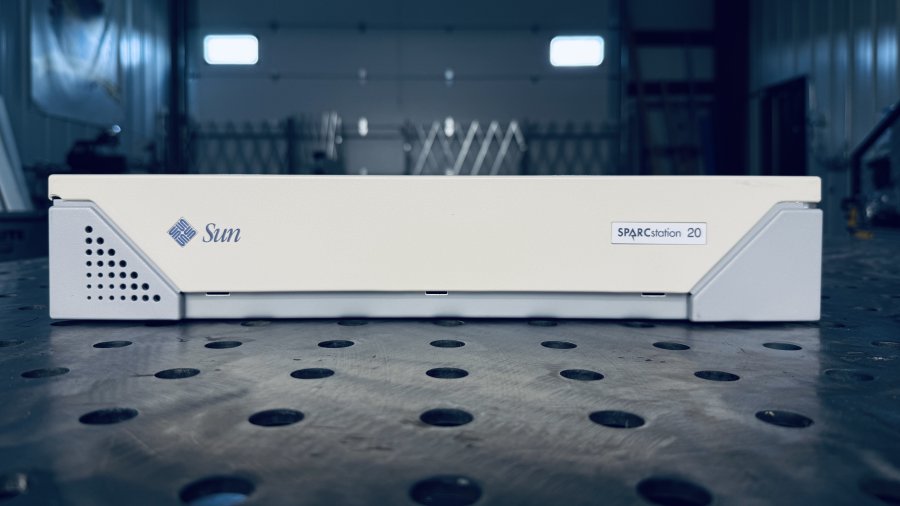
Sun SPARCstation 20
The pinnacle "Kodiak" pizza box, built to take four CPUs — this one runs a 125 MHz ROSS hyperSPARC
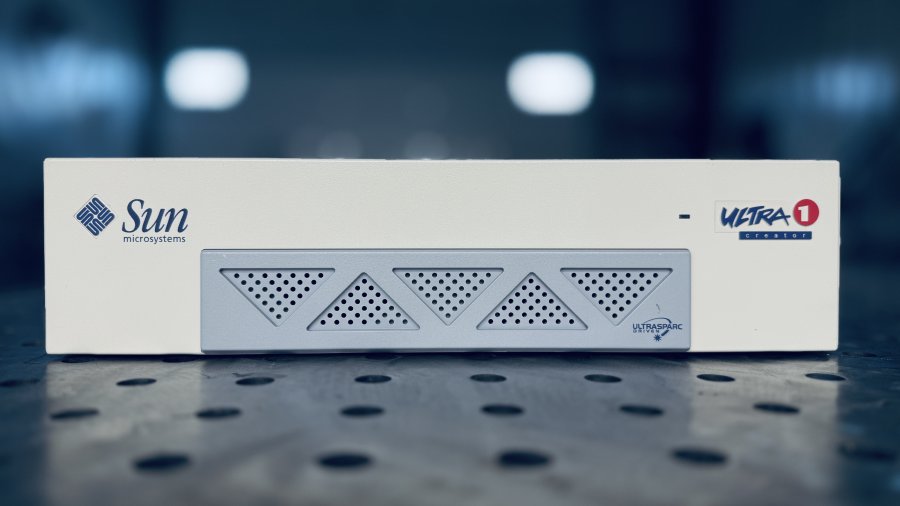
Sun Ultra 1
Sun's first 64-bit desktop — the 1995 "Electron" with hardware-accelerated UPA Creator graphics
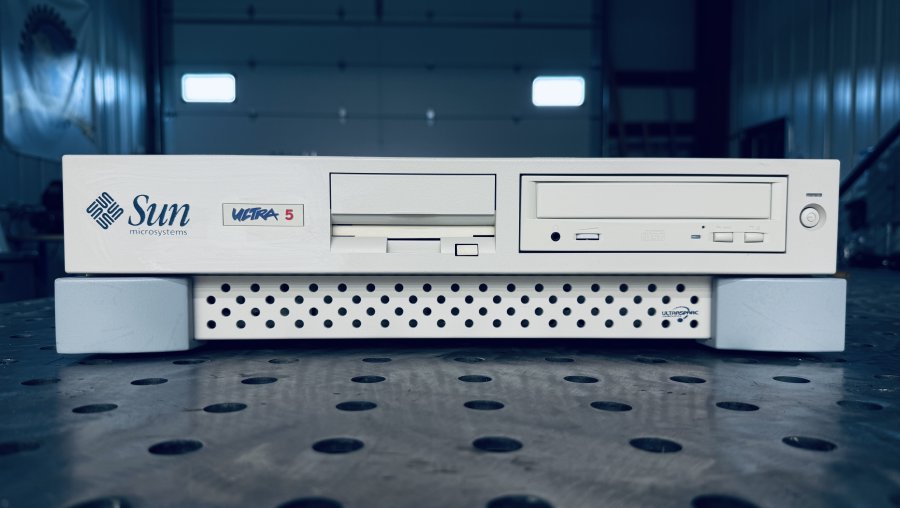
Sun Ultra 5
Sun's budget UltraSPARC IIi desktop, whose cost-cutting IDE drives needed a ZuluSCSI workaround to behave
Utility Computers
Purpose-built bridge machines that move software between vintage systems and the modern world. Not the stars of the collection — the workhorses that keep it running.
Reimagined
Classic cases reborn with modern internals. Raspberry Pi emulators, LCD panels, and 3D-printed parts give beloved machines that could not be restored a second life running classic software.